Light changes everything
The same color can read warm and cozy at noon, then cool and grey by evening. Morning sun and lamp light are completely different color temperatures — a color that works at 2pm may disappoint at 8pm.

POPULAR SEARCHES
TRENDING NOW
THE SMARTER WAY TO CHOOSE
Choosing the right paint color is harder than it looks. Light shifts, undertones surprise you, and a gallon of the wrong color is a costly mistake. Here's how to get it right -- before you commit.
Order Samples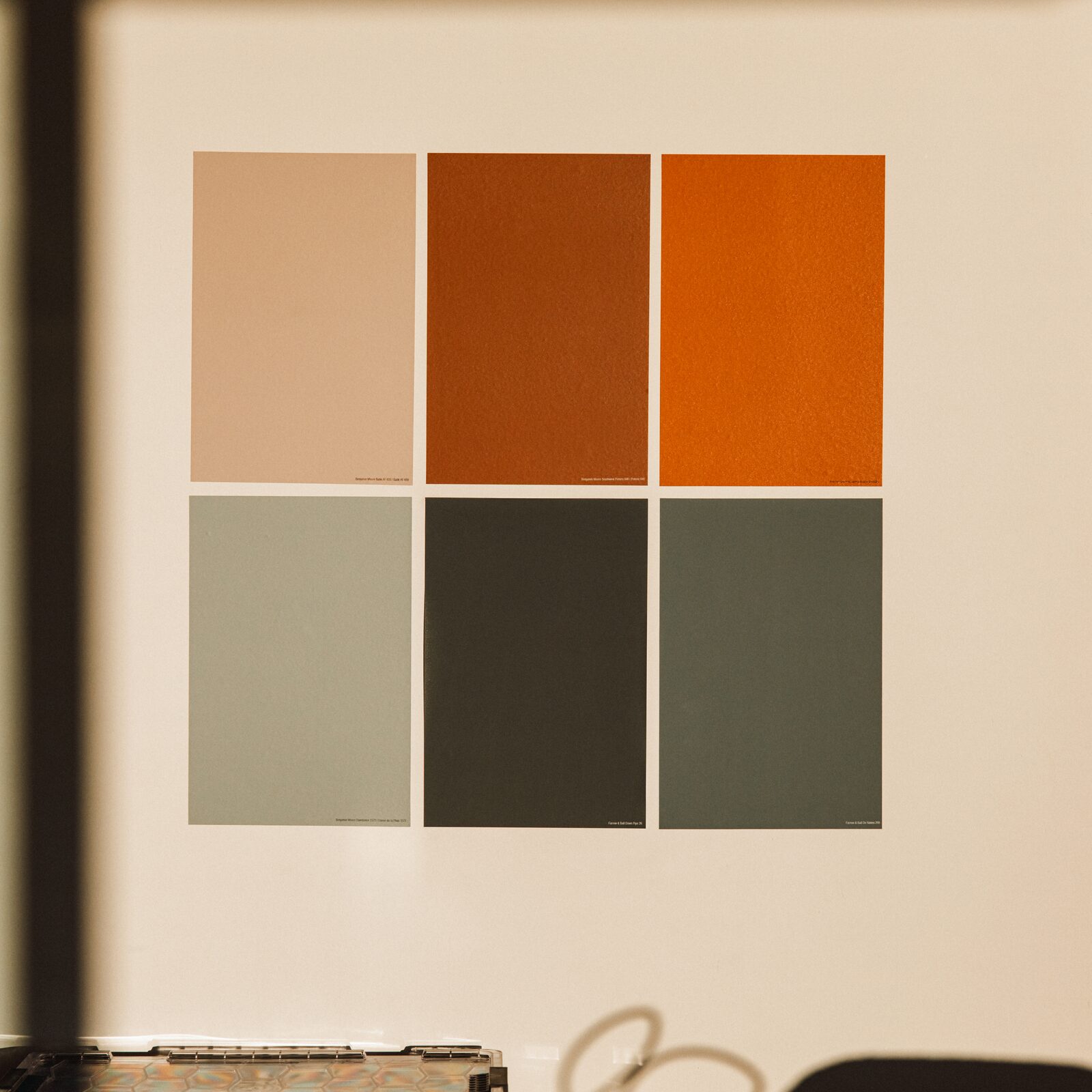
THE CASE FOR TESTING
Paint colors rarely look the same on a tiny chip as they do on your walls. A smart test can spare you thousands in wasted paint, labor, and regret.
The same color can read warm and cozy at noon, then cool and grey by evening. Morning sun and lamp light are completely different color temperatures — a color that works at 2pm may disappoint at 8pm.
A "warm white" next to oak floors can look yellow. A "soft grey" near a blue sofa can shift purple. Undertones only reveal themselves when surrounded by your actual furniture, floors, and fixtures.
A full-room paint job can run $500–$3,000 in labor alone. Getting the color wrong and repainting isn't just frustrating — it doubles your cost. Testing first is the frugal move, not the cautious one.
THE PROCESS
Follow these six steps and you'll walk into the paint store confident — not guessing.
Scrolling through thousands of colors online is overwhelming. Use a room visualizer or consult a color fan deck at your local paint store to get to a shortlist of 3-6 colors.
Order a Samplize sample for each finalist. Made with two coats of real paint — not a printed chip — you'll see the exact color your wall will actually look. They ship fast and arrive ready to stick.
Don't just stick one sample by the window and call it done. Place samples on different walls — near a corner, beside a window, and in a darker spot. Each wall receives different light and will show the color differently.
Live with your samples for at least 24–48 hours. Check them in the morning, midday, late afternoon, and evening with your lights on. A color that looks perfect at noon can feel completely different under tungsten light at night.
Look at each sample next to your floor, cabinets, sofa, trim, and any permanent fixtures. This is where undertones either work or reveal themselves. A color that looks neutral on its own might read pink next to white trim.
After 48 hours of observation, one color should feel clearly right. Pull the Samplize sample — it peels off cleanly without damaging walls — and order your full gallons. You'll know exactly how it will look because you've already seen it in the room.
HONEST GUIDANCE
Samplize samples are made with real paint, so what you see is what you'll get on your walls. That said, there are a few situations where brushing on a small liquid patch alongside your Samplize sample gives you the most complete picture.
In all cases, start with Samplize to narrow your color choices first. Testing with liquid paint is a supplement, not a replacement — you'll save time and mess by already knowing the right color before you brush anything on.
| Feature | Samplize | Paper Chip | Sample Pot |
|---|---|---|---|
| Real Paint | Yes | No | Yes |
| Large Size | Yes | No | No |
| Repositionable | Yes | Yes | No |
| No mess / dry time | Yes | Yes | No |
| Wall-safe removal | Yes | Yes | No |
Matte has no sheen and hides imperfections well — great for bedrooms and low-traffic areas. Eggshell has a slight glow and is more washable, making it a popular all-around choice for living spaces. Satin has a more noticeable sheen and is ideal for kitchens, bathrooms, and trim where durability matters. The finish doesn't change the color, but it does change how the color reflects light.
See the exact color on your wall before you buy a single gallon. Real paint. No mess. No commitment.
Shop SamplesGet our exclusive launches and designer collections.