- Color Psychology & Trends
- Paint Color Inspiration
Minimalist Interior Design: Key Elements & Paint Colors
Minimalist interior design focuses on simplicity, functionality, and intentionality. Defined by clean lines, uncluttered spaces, and limited color palettes, this style prioritizes quality over quantity. By eliminating excess and using neutral colors, negative space, and natural light, it creates a calm, open, and balanced environment.
Read on for help putting this powerful design style to use in your home.
7 Core Principles of Minimalist Interior Design
Keep these principles in mind to get into the minimalist mindset.
1. Simplicity: Designs should be clean and uncluttered, with a focus on essential forms rather than ornamentation.
2. Function First: Every piece of furniture and decor should serve a clear purpose. Nothing should be purely decorative.
3. Less Is More: Quality should take priority over quantity, with each item carefully chosen for its craftsmanship and longevity.
4. Clean Lines and Forms: Straight lines, simple shapes, and smooth surfaces should be used to create a sense of order and calm.
5. Neutral Color Palette: Whites, beiges, grays, and muted earth tones should be used, allowing the space to feel open and cohesive.
6. Thoughtful Use of Space: Negative space should be treated as a design element, helping rooms breathe and feel balanced.
7. Natural Light and Materials: Abundant daylight and materials like wood, stone, and linen should be used to add warmth without adding visual clutter.
Tips for Making Minimalist Rooms Functional and Comfortable
Minimalist design does not mean making your home cold, unwelcoming, or impractical. Follow these steps to create spaces that feel as inviting as they are practical.
- Use Hidden Storage: Built-in cabinets, under-bed drawers, storage ottomans, and wall-mounted units keep essentials accessible while maintaining a clean look.
- Choose Comfortable Furniture: Prioritize ergonomic seating, supportive sofas, and beds with quality mattresses—minimalism should never sacrifice comfort.
- Layer Soft Textures: Add warmth with rugs, throw blankets, cushions, and upholstered furniture in subtle, neutral tones.
- Design for Daily Use: Keep frequently used items easy to reach; minimalism works best when it supports real routines, not just aesthetics.
- Incorporate Warm Lighting: Use layered lighting (ambient, task, and accent) with warm bulbs to avoid a stark or clinical feel.
- Add Touches of Personality: A few meaningful objects—art, books, or plants—make the space feel lived-in without clutter.
- Think Multipurpose: Choose furniture that serves more than one function, such as a desk that doubles as a console or a bench with storage.
- Balance Simplicity with Scale: Avoid rooms feeling empty by selecting furniture sized appropriately for the space.
The Role of Paint Colors in Minimalism
Paint colors are crucial to achieving a minimalist aesthetic. Neutral shades, such as white, cream, beige, gray, and soft taupe, help create a clean backdrop that allows architecture, light, and materials to take center stage. These colors also help reflect natural light, making spaces feel more open and airy.
In minimalist spaces, one color is often used consistently across walls, ceilings, and trim to create seamless transitions. Subtle color variants can then be used to add depth without clutter. Muted accent colors, like soft earth tones or gentle pastels, can be used sparingly to add warmth and character without disrupting the minimalist look.
But how do you find the right colors for your design plans? Samplize makes that step simple.
Sampling Colors With Samplize
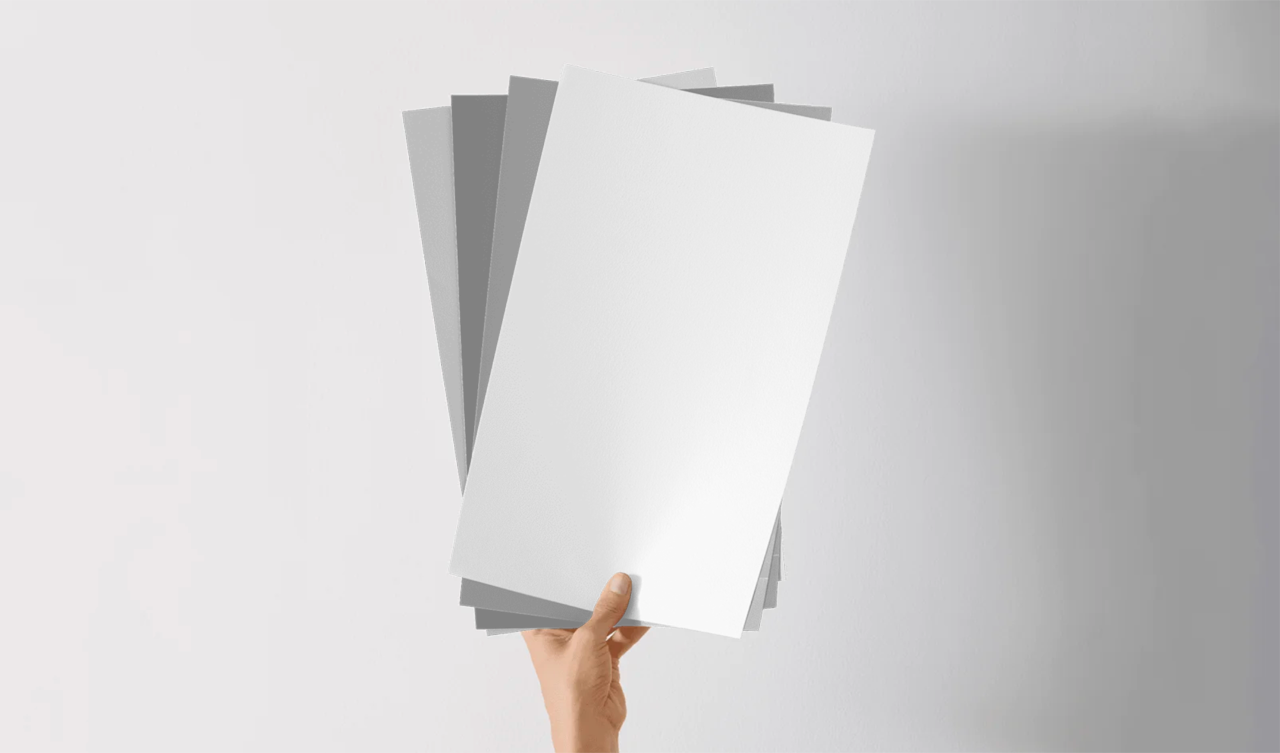
Our large-format, mess-free, peel-and-stick paint samples make it easy to find the perfect color for your minimalist design. Here’s how it works.
1. Explore the Possibilities
Start by perusing our color recommendations below. You can also go here and browse our huge collection of colors from leading brands like Benjamin Moore and Sherwin-Williams. Finish your order, and your samples will arrive on your doorstep the very next day.
2. Peel and Stick
Every one of your samples will be painted (not printed) with two coats of real paint, so you’ll be able to really see how each shade will look in your space. Make sure to test one sample on an inconspicuous spot first and then feel free to apply them all.
3. Choose With Confidence
Take your time to note how each color behaves in various conditions. Turn the lights on and off. Draw and then open curtains. Wait for sunrise, midday, and sunset. Text pictures to that interior designer you know. Get a second and even a third opinion.
After all that, if you haven’t found the ideal colors for you, just repeat these easy steps until you do.
Recommended Minimalist Colors
Whites & Off-Whites
Simply White - This warm, clean white has a subtle softness that keeps minimalist spaces bright without feeling stark.
- simply-white-2143-70-12x12
White Dove - This balanced off-white adds a gentle warmth that’s ideal for serene and welcoming minimalist spaces.
- white-dove-oc-17-12x12
Chantilly Lace - This crisp, pure white has minimal undertones, making it perfect for modern minimalist interiors.
- chantilly-lace-2121-70-12x12
Alabaster - This creamy off-white adds warmth and comfort while keeping a clean look.
- alabaster-7008-12x12
Pure White - This neutral white balances warm and cool tones, making it versatile for walls, trim, and ceilings in minimalist homes.
- pure-white-7005-12x12
Soft Neutrals
Revere Pewter - This versatile, light greige brings softness and sophistication while maintaining a calming and clean look.
- revere-pewter-hc-172-12x12
Classic Gray - This gentle, low-contrast gray has warm undertones that are ideal for making minimalist spaces feel bright yet cozy.
- classic-gray-1548-12x12
Edgecomb Gray - This soft, warm neutral has subtle beige undertones that work well with natural light and minimalist materials.
- edgecomb-gray-hc-173-12x12
Accessible Beige - This warm, muted beige provides a welcoming backdrop without feeling heavy or overly traditional.
- accessible-beige-7036-12x12
Agreeable Gray - This balanced greige features subtle undertones that add warmth while preserving a refined minimalist aesthetic.
- agreeable-gray-7029-12x12
Muted Grays
Balboa Mist - This light, warm gray has subtle beige undertones, making spaces look soft, airy, and understated.
- balboa-mist-1549-12x12
Repose Gray - This balanced gray leans slightly warm, making it inviting and versatile in minimalist rooms.
- repose-gray-7015-12x12
Stonington Gray - This clean, mid-tone gray feels modern yet subtle, making it great for contemporary minimalist spaces.
- stonington-gray-hc-170-12x12
Passive - This soft gray brings gentle cool undertones, working beautifully in bright rooms and modern settings.
- passive-7064-12x12
Mindful Gray - This deeper gray can add quiet contrast and grounding without overwhelming the space.
- mindful-gray-7016-12x12
Earthy Tones
Warm Sand - This light, beige-toned neutral brings softness and an organic, sun-washed quality to minimalist rooms.
- warm-sand-csp-280-12x12
Stone Brown - This gentle, earth-based brown has gray undertones, perfect for grounding a space without feeling heavy.
- stone-brown-2112-30-12x12
Sage Wisdom - This soft, muted green introduces a natural element while preserving the calm simplicity of minimalist design.
- sage-wisdom-csp-775-12x12
Using Accent Colors
In minimalist design, accent colors should be used sparingly. Whether through an accent wall, a piece of furniture, or a work of art, the goal is to add interest, warmth, and personality without disrupting the clean and serene aesthetic you’re creating.
Below are some accent color families to consider:
- Deep charcoal or slate adds contrast and sophistication without overpowering the neutral base.
- Muted blue or dusty teal introduces a subtle pop of color that complements neutrals and natural materials.
- Soft terracotta or rust brings warmth and an earthy touch while keeping the palette grounded.
- Olive or sage green connects interiors to nature, pairing nicely with wooden elements and plants.
- Warm ochre or mustard adds energy and visual interest when used in small doses.
Ready to Begin?
Finding the right colors for your minimalist design is a great first step, as that decision can guide the rest of your choices. Start your search right here.