- Painting Tips & Techniques
How to Paint Metal Surfaces: A Complete Guide to Painting Everything from Furniture to Fixtures
Can You Paint Metal Surfaces?
The short answer is yes! In fact, painting metal furniture, tools, and structures is a quick and low-cost way to give them new life and style. Paint can also protect metal surfaces from rust and erosion, while also helping prevent scratches, fading, and wear and tear.
That said, it requires proper preparation and the right materials to make sure the paint adheres well and lasts. Read on for everything you’ll need to know.
Choosing the Right Paint, Primer, and Finish
Outdoor metal requires weather-resistant paint. For items that live indoors, standard paints work fine. If the metal is exposed to moisture, heat, or friction, go with paints with rust and heat resistance.
Common Paint Types for Metal
- Acrylic paint is water based and easy to clean up. It dries quickly, is low odor, and works well for indoor decorative items. It will need a primer for better adhesion and rust prevention.
- Enamel paint is oil or water based. It’s hard and durable, resisting scratches, heat, and moisture. This makes it great for outdoor furniture and appliances.
- Spray paint that’s formulated for metal and includes a primer makes it easy to paint oddly shaped items. It goes on evenly, dries fast, and works best for smaller projects.
- Rust-preventive paint is ideal for surfaces that are exposed to moisture, humidity, or outdoor conditions. It’s often combined with a primer, saving you a step.
If the paint you choose doesn’t include a primer, go with a primer that’s made specifically for metal. This will improve adhesion, prevent peeling, and help protect the metal long-term.
Finish Options
- Glossy finishes are durable and easy to clean, but they tend to highlight scratches.
- Matte finishes create a smooth and subtle look, hiding imperfections.
- Satin and semi-gloss finishes are the most balanced, combining a professional look with moderate durability.
Choosing the Right Paint Color
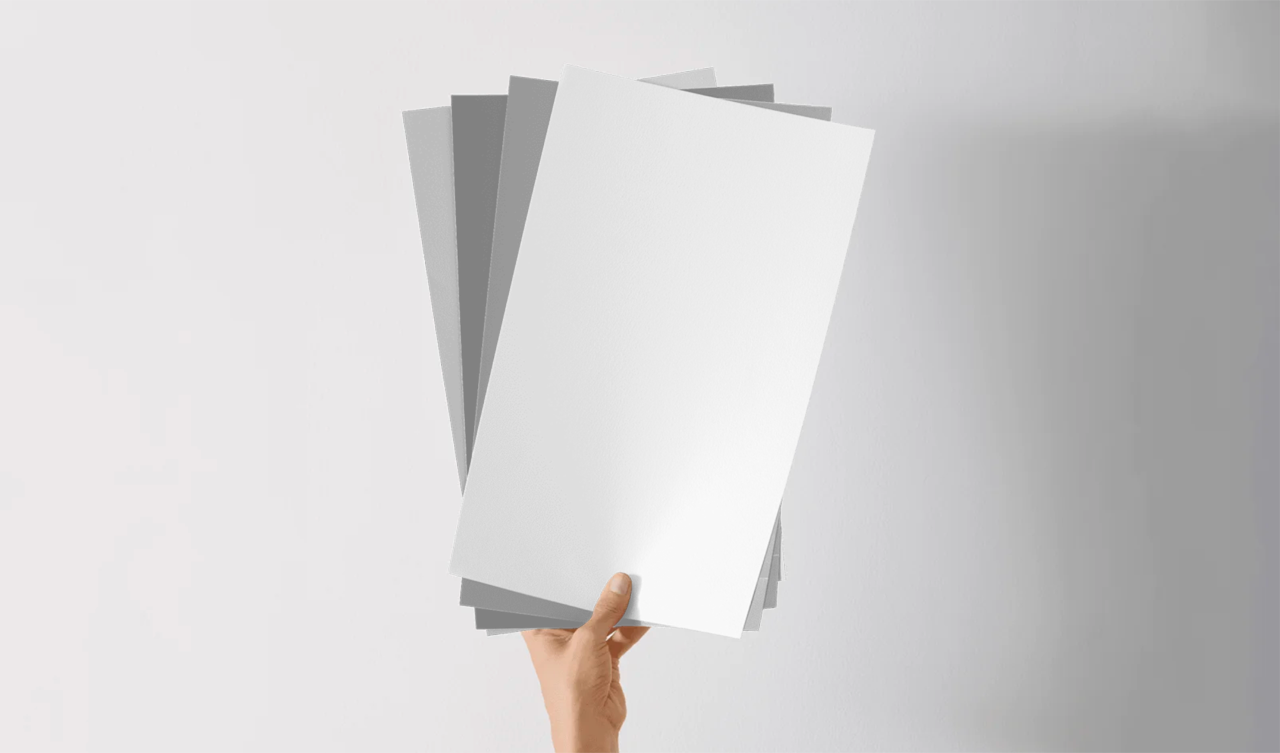
Once you’ve chosen the type of paint you want, it’s time to find the perfect colors. Our large-format, mess-free, peel-and-stick paint samples make that step simple and even fun. Here’s how it works.
1. Explore the Possibilities
Start by going here and browsing our huge collection of colors from leading brands like Benjamin Moore and Sherwin-Williams. Choose a stack of favorites, place your order, and your samples will arrive on your doorstep the very next day.
2. Peel and Stick
Every one of your samples will be painted (not printed) with two coats of real paint, so you’ll be able to really see how each shade actually looks on your metal surface. Each also comes with a mini-sample, perfect for smaller items. Make sure to test one on an inconspicuous spot first and then feel free to apply them all side by side.
3. Choose With Confidence
Take your time to note how each shade behaves in various lighting conditions. Wait for sunrise, midday, and sunset. Ask friends and family for their favorites. If after all that you’ve yet to find your ideal color or colors, just repeat these easy steps until you do. It’s worthwhile to make sure you’ll really love the final result!
Preparing Your Metal Surface for Painting
Now that you have your paint type and color, you’re ready to prepare your metal surface. Follow these steps:
1. Clean the Metal
- Mix warm water with mild dish soap and scrub the surface with a sponge or cloth.
- For stubborn dirt, use a soft-bristle brush or non-abrasive pad.
- Make sure to completely dry the metal to prevent water spots or rust.
2. Degrease
Removing oil and grease is key to making sure your paint sticks well. You can do this with commercial degreasing products or acetone or mineral spirits (use gloves and work in a ventilated area). For light grease, you can simply use white vinegar.
Apply the degreaser, scrub lightly, and then wipe it off with a clean cloth.
3. Remove Rust
Rust weakens the metal and prevents paint adhesion, so it’s essential to remove it completely.
You can do this with a wire brush, steel wool, or medium-grit sandpaper. Brush, rub, or sand until you see smooth, bare metal.
You can also use a chemical rust remover, according to the product’s instructions.
4. Smooth the Surface
A smooth, even surface helps the paint adhere and prevents peeling or flaking. Start by filling any deep pits or holes with metal filler or epoxy putty. Once that’s dry, use medium-grit sandpaper to remove imperfections, and then finer sandpaper to get every inch smooth.
Painting Your Metal Surface
After all those decisions and preparation, you’re finally ready to paint! Follow these steps for best results.
1. Apply a Primer
- Apply 1-2 thin coats of your metal-specific primer. Let each coat dry according to the product’s instructions.
- As noted above, you can skip this step if the paint type you chose includes a primer.
2. Apply Paint
- Use a high-quality brush, roller, or spray, depending on the shape and size of the item.
- Apply thin, even coats to avoid drips.
- Let each coat dry completely before applying the next.
- To help the paint adhere properly, avoid painting metal when it’s too cold or humid.
3. Seal (Optional)
For extra protection from scratches, moisture, and UV damage, apply a clear topcoat or sealant.
Protecting Your Painted Metal from Rust and Corrosion
Now that you have your beautifully painted metal surface, here’s how you can help keep it looking great long-term.
1. Avoid Scratches and Damage
Even small scratches can expose metal to moisture, so handle your painted metal carefully. Avoid placing heavy or abrasive objects directly on the surface.
2. Make Touchups Promptly
Keep a little paint and sealant handy, so you can quickly and easily take care of any scratches.
3. Keep Up With Maintenance
Clean the surface regularly, removing any dirt, salt, or chemical residue. Keep an eye out for signs of rust or wear, especially in outdoor or humid environments. Every few years, apply a fresh protective coating.
4. Address Rust Right Away
A rust converter can be applied to early rust spots to prevent further corrosion.
Ready to Begin?
Painting metal surfaces can bring new life to the objects, while making them better match the overall aesthetic of your space. To find the perfect color, start right here.